A Southern Vermont Beginning
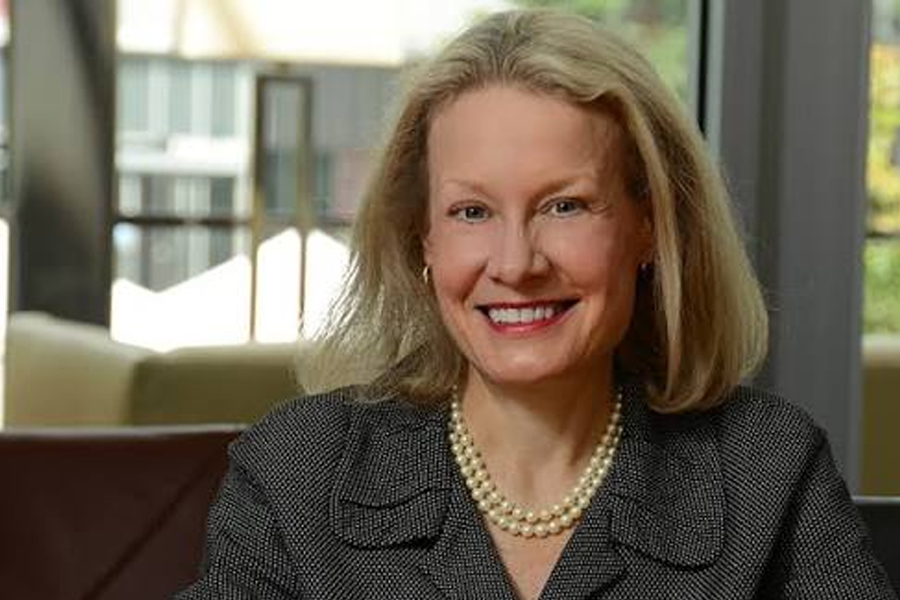
Margaret Staloff, also known as Meg Staloff, is a community development professional whose work is closely tied to Southern Vermont. Raised in Wilmington, Vermont, she developed an early connection to the small towns, wooded hills, and close networks that shape life in the region. Her career reflects that environment. Rather than treating rural communities as places waiting to be transformed, she has worked with residents, business owners, nonprofit groups, and municipal leaders to help them build from what they already have.
Staloff attended Bard College after Brattleboro Union High School. London, Boston, and New York were her post-college destinations. In her fine wine career, she traveled internationally and experienced different cultures. Her travels broadened her outlook, yet Southern Vermont remained essential to her.
Around 2009, she returned to the region to raise her family. Her professional life since then has centered on civic participation, economic renewal, local leadership, and the practical work required to keep rural communities vibrant.
A Career in Community and Economic Development
Downtown revitalisation and regional economic development are Staloff’s specialities. She was Wilmington Works’ program coordinator from 2017 to 2022, enhancing Wilmington’s downtown and fostering community activity.
She oversaw streetscape renovations, public art projects, events, fundraisers, and other programs to make the town more welcoming and economically productive. Downtown revitalisation is often hands-on, despite its sophisticated planning sound. It entails organising volunteers, obtaining licenses, funding, publicising events, and maintaining momentum for years-long initiatives.
Staloff participated in Wilmington’s planning. As Wilmington Planning Commission chair, she discussed zoning, housing, development, and flood resiliency. These issues matter in a town formed by rivers, tourism, seasonal jobs, and the extended recovery from Tropical Storm Irene in 2011.
Her art generally connects community life’s visible and invisible aspects. A new streetscape can liven up a business district, while a planning reform can affect housing for years. A leadership workshop may appear small, but it can inspire citizens to join a board, commission, or project.
Her Role with the Southern Vermont Economy Project
Since approximately 2022, Staloff has worked with the Brattleboro Development Credit Corporation as a Southern Vermont Economy Project Manager and Comprehensive Economic Development Strategy implementation specialist.
She is part of a regional initiative in Windham and Bennington counties and adjacent villages. She supports regional economic priorities, coordinates projects, supports local leaders, and connects communities with training and planning resources.
The Comprehensive Economic Development Strategy (CEDS) is central to this endeavour. This regional framework identifies economic issues, prioritises, and organises initiatives for public or private investment. The strategy covers housing, worker shortages, transportation, broadband, infrastructure, entrepreneurship, resilience, and rural community cooperation in Southern Vermont.
Also, Staloff organised the Southern Vermont Economy Summit. Municipal authorities, nonprofit leaders, businesspeople, educators, and community organisers attend these events. Economic development is not just discussed remotely. To build common language and practical collaborations amongst municipalities that could otherwise work separately.
Leadership training through SoVT Get on Board, board development workshops, grant writing sessions, and municipal and nonprofit leader networks has been her responsibility. These projects recognise a key aspect of rural development: good ideas are common but hard to implement. Training, teamwork, and peer support may turn ideas into projects.
A Practical Approach to Rural Growth
Staloff’s approach to economic development appears rooted in participation. She has worked with elected officials, volunteers, nonprofit boards, businesses, and residents rather than relying only on large institutions or outside investment.
Rural southern Vermont has classic issues. Small populations, limited housing, employment shortages, ageing infrastructure, seasonal economic patterns, and vulnerability to flooding and other extreme weather characterise the region. While having strong community bonds, natural beauty, cultural assets, independent companies, and a history of local action.
She uses these strengths as building blocks. Local businesses benefit from downtown activities. Public art enhances place. Leadership training can increase community service. Regional planning can help tiny towns compete for financing they couldn’t get alone.
This kind of development resembles tending a garden more than constructing a monument. Progress comes through many connected acts: preparing the soil, inviting participation, repairing what has been damaged, and giving new efforts time to grow.
Family Connections and Public Identity
Reeve familial ties make Margaret Staloff famous. In 2013, poet, translator, academic, and writer Franklin D’Olier Reeve died. She was his stepdaughter. That family tie made her the stepsister of Christopher Reeve, who played Superman and advocated for spinal cord injury research and disability rights.
Franklin Reeve’s marriages created multiple different branches of the family. Staloff is linked to Katharine O’Connell and many Reeve siblings in public biographical biographies. She is most known in Vermont for her work, not these relationships.
Family life in Southern Vermont has also influenced her community involvement. Jason Staloff, her husband, has done civic work, including library service. The couple has two daughters. In rural Vermont, family life includes school, outdoor time, cooking, and constant transportation for children’s hobbies, as described by Staloff.
Her family stories occasionally connect with area history. A family narrative of blocked roads, difficult travel, and inhabitants’ determination during Tropical Storm Irene included the birth of one daughter. Personal experiences reveal resilience difficulties that Staloff addresses professionally.
Life Beyond the Office
Staloff’s interests reflect the landscape around her. She enjoys skiing, long walks in the woods, yoga, baking, and cooking. She has also written about the everyday role of supporting her daughters’ activities, including the familiar family duty of driving children from one commitment to another.
Her public presence combines professional networking with glimpses of ordinary life. Community development is often portrayed through conference panels and strategic plans, but the work also depends on the personal connections created at town events, meetings, workshops, and informal conversations.
Her career revolves around the balance between public duty and family. Staloff has not treated Southern Vermont as an economic area. She has lived there, established a family, worked in local administration, and solved town problems.
Frequently Asked Questions
Who is Margaret Staloff?
Margaret Staloff, also known as Meg Staloff, is a Southern Vermont community and economic development professional. She has worked in downtown revitalization, municipal planning, nonprofit leadership, regional strategy, and rural economic development.
What is Margaret Staloff’s current professional role?
She has served as a Southern Vermont Economy Project Manager and CEDS Implementation Specialist with the Brattleboro Development Credit Corporation. Her work includes regional planning, leadership training, project development, and coordination among public, nonprofit, and business partners.
What did she do with Wilmington Works?
During her time with Wilmington Works, she helped support downtown improvements, public art, community events, fundraising, and revitalization projects. Her work contributed to efforts to strengthen Wilmington’s business district and civic life.
What is the CEDS?
CEDS stands for Comprehensive Economic Development Strategy. It is a regional planning framework that identifies economic priorities and helps communities organize projects related to infrastructure, housing, workforce development, resilience, entrepreneurship, and collaboration.
Is Margaret Staloff related to Christopher Reeve?
Yes. She was a stepdaughter of Franklin D’Olier Reeve and was therefore a stepsister of actor Christopher Reeve. The extended Reeve family includes several relatives connected through Franklin Reeve’s marriages.
Where did Margaret Staloff grow up?
She was raised in Wilmington, Vermont, and attended Brattleboro Union High School before studying at Bard College.
What are Margaret Staloff’s personal interests?
Her interests include skiing, walking in the woods, yoga, baking, cooking, family activities, and spending time with her dog.